

Menopause and skin: what changes and how to treat it at home
If you're in menopause—or starting to notice that your skin isn't behaving as it used to—there's something important you should know: it's not your imagination. Skin changes significantly during this stage.
In our conversation with pharmacist Marta Masi on The Glow Up Journey podcast, a very interesting reflection emerged: when a woman reaches menopause, her skin concerns change. "Wrinkles take a back seat. What really worries us is sagging," she told us. That feeling that the face is losing its firmness, that the facial oval is starting to blur.
And it's no coincidence. Behind it are profound hormonal changes that directly affect the structure and behavior of the skin.
Collagen levels drop… and the skin shows it
One of the most significant changes has to do with collagen. This protein is what gives skin firmness, density, and support. And during menopause, its production decreases significantly: in the first five years of menopause, we can lose up to 30% of collagen.
This decline explains why many women suddenly feel that their skin is thinner, less elastic, or less "firm." The dermis loses density, and that sagging, which is such a concern at this stage, appears. Marta Masi mentioned that we often worry more about firmness than wrinkles. Therefore, the strategy should focus on stimulating collagen synthesis and strengthening the skin's structure.
This is where scientifically proven active ingredients come into play, such as retinoids, biomimetic peptides, or antioxidants capable of activating skin repair mechanisms. Our Ultra-lift range, based on exosomes, is perfect for this.

Marta also reminded us that skin care isn't just topical. Supplementation with high-quality hydrolyzed collagen can be a valuable support for the body, especially since collagen is a structural protein present not only in the skin but also in joints and connective tissues.
More spots and a less even tone
Another very common change during menopause is the appearance of new spots. Many women who had previously maintained fairly even skin begin to notice small hyperpigmentations on their cheeks, forehead, or décolletage.
This is mainly due to a combination of two factors: hormonal impact and accumulated sun damage over the years. Over time, melanin regulation becomes less efficient, and the skin responds more easily by forming dark spots.
Additionally, the skin tone can become duller and less luminous, which often gives the impression of "tired" skin.
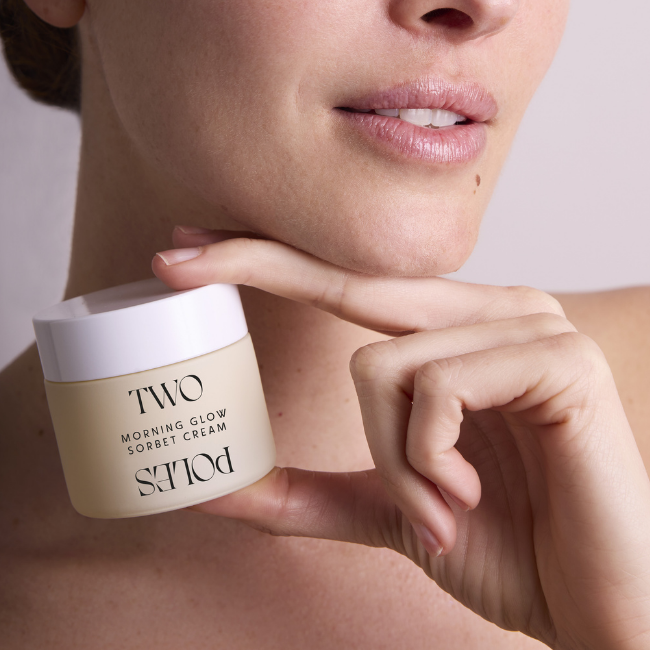
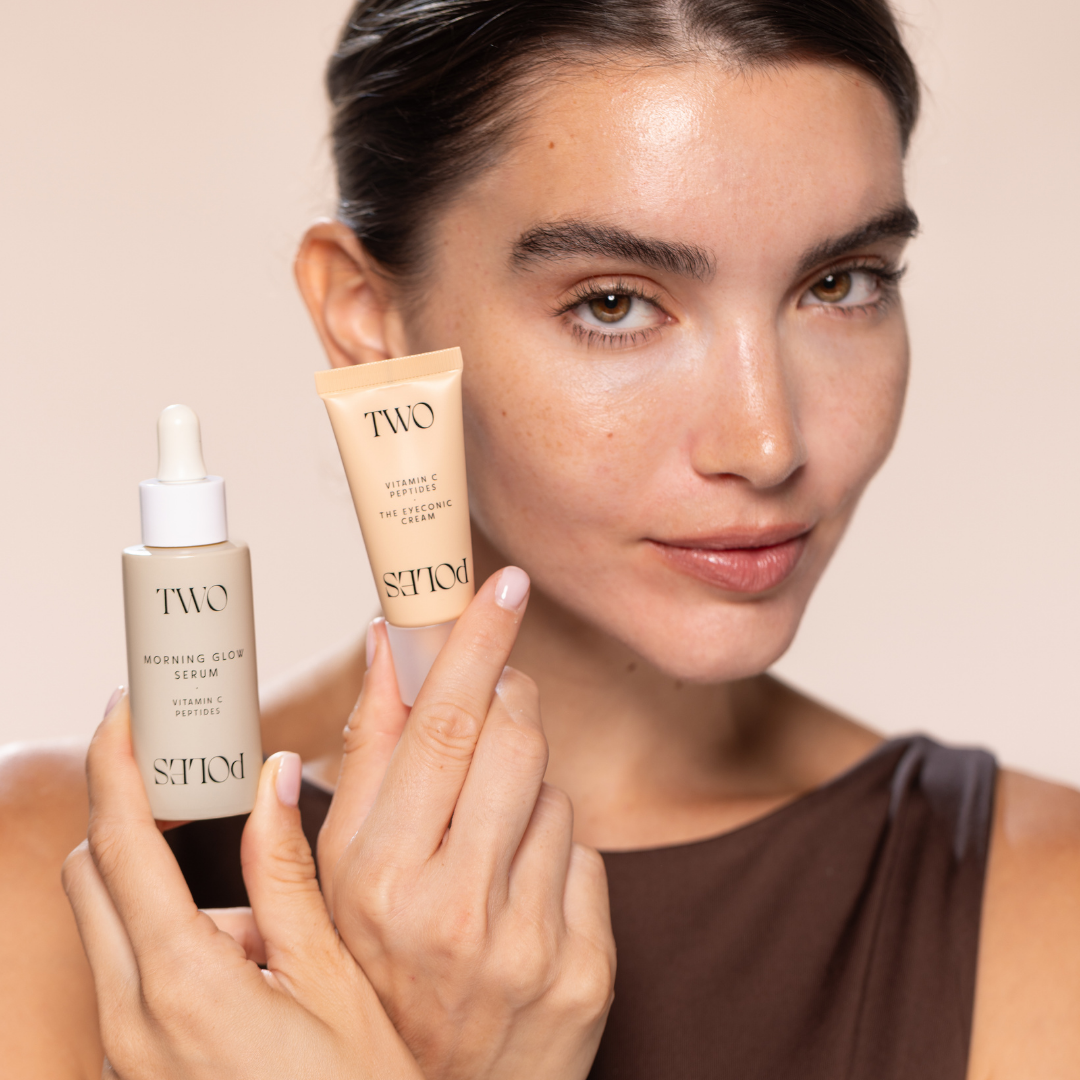
What can we do at home? Improve luminosity and regulate pigmentation with ingredients such as stabilized vitamin C, niacinamide, or gentle chemical exfoliants that promote cell renewal without irritating the skin. A very complete option would be Morning Glow, with vitamin C, niacinamide, and peptides.

And of course, daily sun protection. During menopause, the skin is more susceptible to photoaging, so sunscreen is a real preventive treatment.
Dryness: one of the most common symptoms
During menopause, the skin loses some of its natural ability to retain water and produce protective lipids, something directly related to the decrease in estrogen.
The consequence is skin that feels tighter, less comfortable, and even more reactive. It's not uncommon for women who always had normal or combination skin to start experiencing dryness for the first time.
Therefore, at this stage, it is especially important to strengthen the skin barrier with formulas that provide deep hydration and lipids similar to those the skin naturally produces. Ingredients like ceramides, squalane, or hyaluronic acid of different molecular weights help restore this balance and bring back a feeling of comfort to the skin.
At Two Poles, we focus heavily on this approach, and our entire hydration line always includes one or more of these ingredients.

The key: Adapt your routine, don't fight aging
If there's one thing Marta Masi often repeats when talking about menopause, it's that this stage requires a change in strategy. But more than trying to "erase the passage of time," the goal is to support the skin in processes that begin to slow down: stimulating collagen, maintaining hydration, protecting against pigmentation, and strengthening the skin barrier.
With well-designed formulas and a consistent routine, skin can continue to look radiant, firm, and healthy during menopause. If you need help building a routine that becomes your ally in accompanying your skin through this new stage, remember that you can write to us, and we'll be happy to help.
Warmly, I look forward to seeing you on @twopolescosmetics & @partners.incream
Anna
xx


Leave a comment
This site is protected by hCaptcha and the hCaptcha Privacy Policy and Terms of Service apply.