

3 keys to treating your skin when you reach 40, by dermatologist Ana Molina
If there's one thing we like about Dr. Ana Molina, it's her clear (and honest) way of explaining things. In this case, how we should approach our skin after 40. And I'll tell you right now, it's not about magical solutions or "quick fixes" without a strategy. Grab your favorite drink and sit down, because this is for you.
Around 40 is when the first signs of aging generally become visible: loss of luminosity, more pronounced expression lines, spots, sagging, and changes in texture. But there's no need to panic!
These are the 3 essential keys to treating skin at 40 - with science, good judgment, and real results - that dermatologist Ana Molina gave us on The Glow Up Journey Podcast (click here to listen to the full episode).
1. Start with the basics: review your habits
Ana explained that in her consultations, the first thing they do is never talk about lasers or neuromodulators. It's about reviewing the entire "wheel": skin quality, wrinkles... and, at the center of it all, the person's habits.
Poor sleep, smoking, chronic stress, alcohol, unprotected sun exposure, or even certain hormonal treatments can be impacting your skin more than you imagine.
What's the point of treating melasma with laser if you don't use daily sun protection? "It's like sweeping while someone else is throwing sand behind you," Ana commented.
The expert's conclusion is clear: Before investing in medical-aesthetic treatments, optimize the habits that depend on you. Improve your rest, minimize inflammation (diet and stress), and use broad-spectrum daily photoprotection. Prevention remains the most powerful well-aging treatment.
2. Prioritize skin quality with an effective routine
This is where many people fail: we want immediate results, but we struggle to be consistent with our skincare.
After a certain age, the skin begins to lose collagen, elastin, and regenerative capacity. Therefore, an anti-aging preventive routine should focus on scientifically proven active ingredients that primarily work on:
- Collagen stimulation → exosomes
- Cell renewal → peptides
- Pigmentation control → azelaic acid, arbutin
- Barrier function reinforcement → ceramides
- Protection against oxidative stress → vitamin C and E, glutathione
How can you include them in your skincare routine? Following Ana's advice, our recommendation for a basic and essential routine would be:
Morning
- Gentle cleansing that respects the skin barrier, with Cleansing Cream.
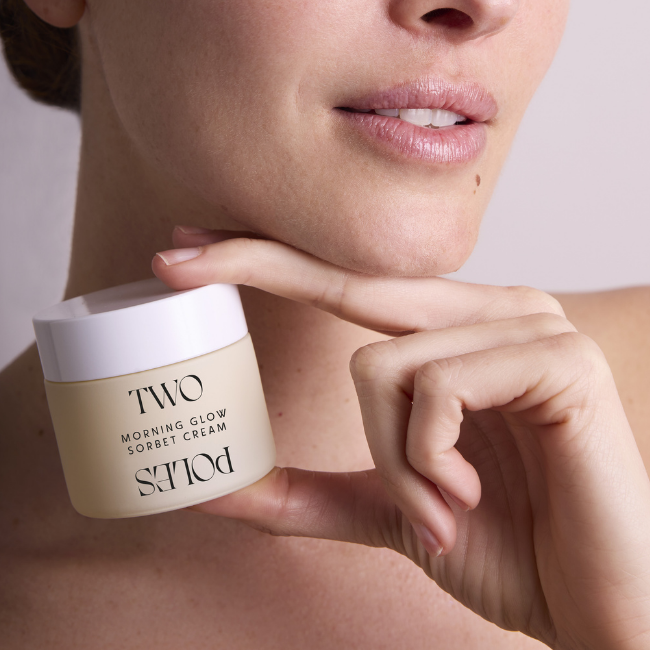
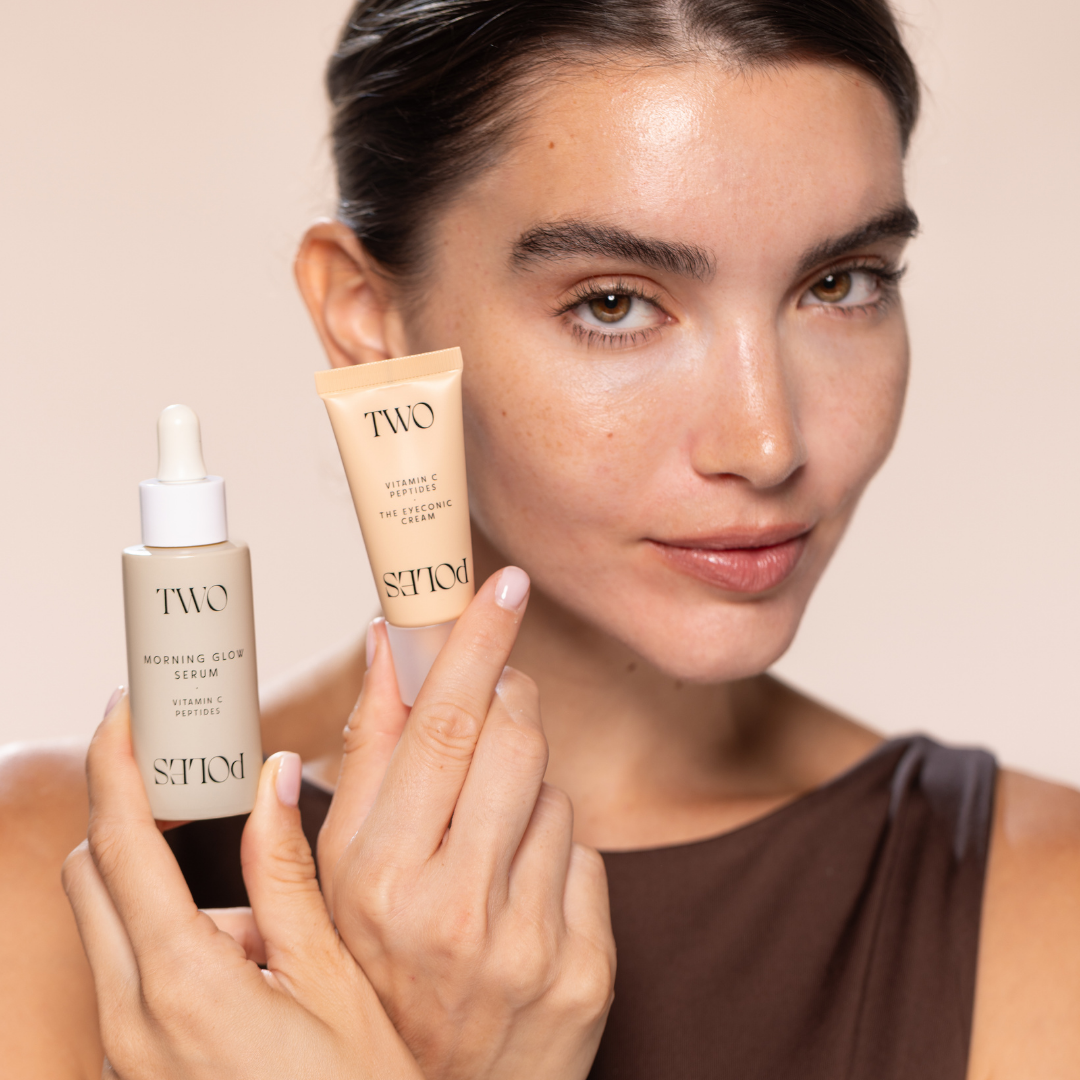
- Antioxidant serum with vitamin C to combat free radicals and improve luminosity; like our Morning Glow.
- Cream with firming and repairing active ingredients, such as Cica Face Cream.
- SPF 50 sunscreen (every day, even in winter).

Night
- Double cleansing to thoroughly remove makeup and/or sunscreen.
- Retinol or a renewing active ingredient, like our Night Serum.
- Repairing cream with peptides or factors that stimulate collagen synthesis, such as The Ultra-lift Rich Cream.

We 100% share this philosophy: we believe in carefully crafted formulations, effective concentrations, and products designed to improve skin quality from home, without the need for more invasive treatments.
Because yes, even if they are "just creams," a good routine - well thought out and organized - can make a huge difference in fine wrinkles, texture, spots, and firmness.
3. The final (optional) touch: peels, laser, fillers...
Once the foundation is well established - with optimized habits and an appropriate facial routine - it makes sense to assess whether dermatological treatments are necessary.
Ana explains that in her practice, the logical order is this: First, opt for skin quality treatments such as medical peels (or at home, with Vacation Skin Peeling), fractional lasers, or biostimulation.
Secondly, volume correction only if there is actual structural loss (cheekbones, furrows); and finally, neuromodulators for wrinkles.
This order is not random. If the skin does not have good quality, any aesthetic treatment loses its naturalness and effectiveness.
The goal at 40 is not to "change your face," but to maintain its structure, improve skin quality, and prevent accelerated aging.
So, my friend, in summary, the expert's advice is not to start with the "easy" injection, but with the foundation. Be consistent with your skincare routine, invest in scientifically proven active ingredients, and use sun protection every day.
And then, if you consider it necessary, seek medical treatments, always taking into account your dermatologist's advice.
If one thing has become clear from speaking with Ana Molina, it's that skin at 40 responds incredibly well when treated with strategy and clinical judgment. It's not about doing more, but about doing what's right at each moment.
Do you need help creating a routine adapted to you, focused on treating signs of aging? Write to us, we will be happy to help you.
Hugs,
I'll see you on @twopolescosmetics & @partners.incream
Anna
xx


%20way%20of%20explaining%20things.%20In%20this%20case,%20how%20we%20should%20approach%20our%20skin%20after%2040.%20And%20I'll%20tell%20you%20right%20now,%20it's%20no...)
Leave a comment
This site is protected by hCaptcha and the hCaptcha Privacy Policy and Terms of Service apply.